


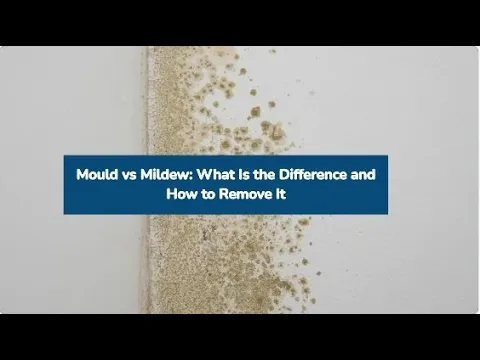
Mould vs Mildew: What Is the Difference and How to Remove it
Finding black spots in your bathroom or noticing a musty odour near your laundry area can be aggravating. However, before reaching for cleaning supplies, you first need to determine whether you are dealing with mould or mildew. Although both are fungi, but their appearance, growth habits and health risks differ greatly. Understanding these distinctions is critical when it comes to appropriate removal and prevention.
This blog will explain to you the difference between the two and how to remove them. For tenants, especially those preparing for budget end of lease inspections, dealing with mould and mildew can become a stressful task. Ignoring them can result in deductions from your bond amount. That is why recognising the early signs and knowing how to treat them effectively is vital.
1. Mildew vs Mould
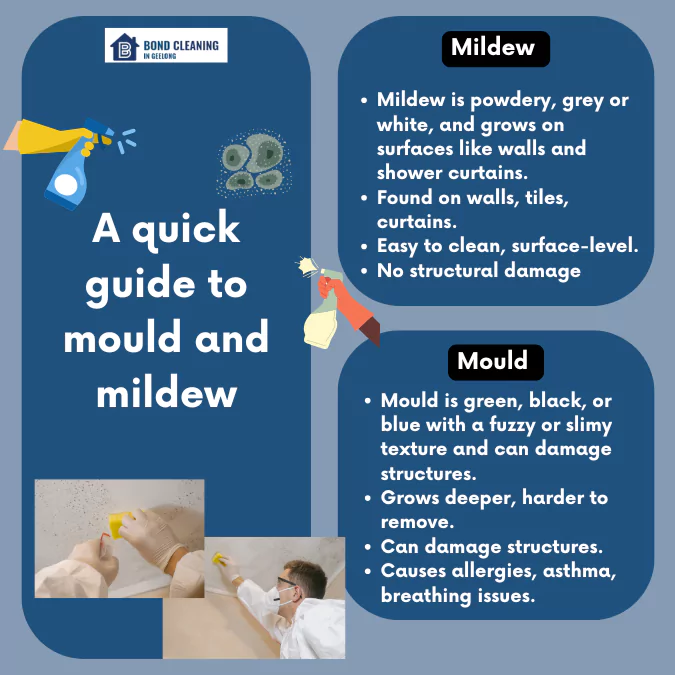
Although both mould and mildew are fungi, their appearances and effects are very different. Mildew typically has a powdery, grey or white appearance. It typically grows on surfaces like window sills, shower curtains, and walls. It rarely penetrates deeply into surfaces and is comparatively easy to clean.
Mould, on the other hand, is typically green, black or blue in colour and has a fuzzy or slimy texture. It may grow on walls, ceilings, fabrics, and even inside HVAC systems. Mould, unlike mildew, has the potential to cause major structural damage and is far more difficult to remove once established. If left untreated, it can pose several health hazards related to respiratory issues, allergic reactions and even worsen asthma symptoms.
2. Where Do Mould and Mildew Thrive?
Mould and mildew thrive in wet, humid, and poorly ventilated environment. Bathrooms, kitchens, laundry rooms and basements are all major problem areas. Mildew thrives on the surface of damp objects such as tiles or paper. It does not penetrate as far as mould and usually remains in easily accessible areas.
Mould, on the other hand, has the potential to be much more obtrusive. It can grow behind walls, beneath carpets, and in ceilings, eating wood, drywall, and other organic materials. This is especially problematic for those planning for end of lease cleaning Geelong experts, as even hidden spots might cause issues during the final inspection.
3. How to Remove Mildew Safely and Effectively
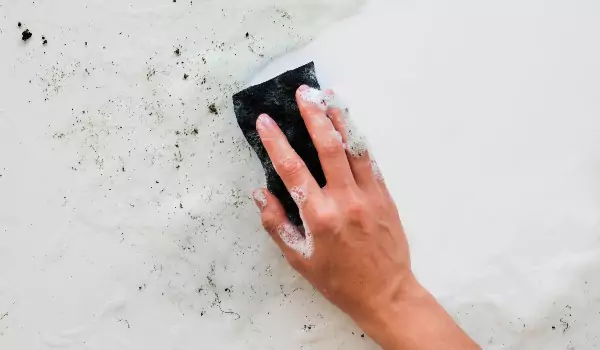
Mildew removal is usually simple and can be accomplished using basic household solutions. Begin by cleaning the area with a mix of white vinegar or hydrogen peroxide and water. These natural cleaners effectively eliminate mildew spores without using harsh chemicals. When it comes to cleaning bathroom tiles or shower curtains, grab a toothbrush or a sponge and give those surfaces a good scrub.
Once removed, ensure that the area is totally dry. Improving ventilation and using a dehumidifier in moisture prone areas can also help avoid mildew recurrence. When cleaning, it is very important to wear gloves and a mask to protect yourself from spores, especially if you are allergic to them.
4. Dealing with Mould
When it comes to getting rid of mould, you might need to roll up your sleeves and take a more active approach. If the affected area is smaller than one square metre, you can usually handle it on your own without calling in the pros. To effectively clean the spot, mix a strong solution of bleach and water, just one part bleach to ten parts water. Leave the solution for at least ten minutes before cleaning it up.
When dealing with major mould infestations, especially if they have spread to porous materials such as drywall or wood, it is recommended to bring in the experts. Hiring professionals for end of lease cleaning in Geelong to locate and remove any concealed mould will spare you from any problems with your landlord or property management.
5. Preventing Mould and Mildew Growth
Keeping the moisture levels in your home in check is crucial to avoid mould and mildew. Make sure your bathrooms and kitchens are well ventilated. This can be done by using exhaust fans or simply cracking open a window. Do not forget to fix any leaks promptly and regularly check areas that tend to get damp.
If you’re dealing with poorly ventilated spaces, using moisture absorbers like silica gel in your closets or cabinets can really help out. Plus, regularly cleaning surfaces with antifungal sprays adds an extra layer of protection. Many reputable bond cleaning services also include mould and mildew assessments to make sure the home is all set for the next renter.
6. When to Call in the Professionals
While minor mildew can be cleaned on your own, persistent mould problems often need expert intervention. If you find mould coming back even after you’ve cleaned it regularly, or if it appears to be growing rapidly, it’s time to call in the experts. Expert cleaners have the proper instruments and know how to safely remove mould without causing further damage.
Hiring specialists ensures that every nook and cranny of the house gets a thorough inspection and cleaning, which is essential for tenants who want to get their full bond back. Many tenants in Geelong turn to professional end of lease cleaning services for this reason, as even the smallest mistakes can end up being quite expensive.
A quick guide to mould and mildew
Wrapping Up
Mould and mildew might seem like minor nuisances, but if you ignore them, they can turn into major headaches, especially when you’re handing over a property. Maintaining a clean home requires recognising the difference between the two, knowing how to get rid of them and taking preventative measures. After all, a clean exit is the best way to close one chapter and begin the next.